
 Doors · Chaukhat · Windows
- Home
- Guides
Wood and door buying guides
Know your wood before you buy. Simple guides on teak (sagwan) and sal (sakhu), door sizes, CFT and prices, chaukhat and windows, written from what we see every day in our Daliganj workshop.
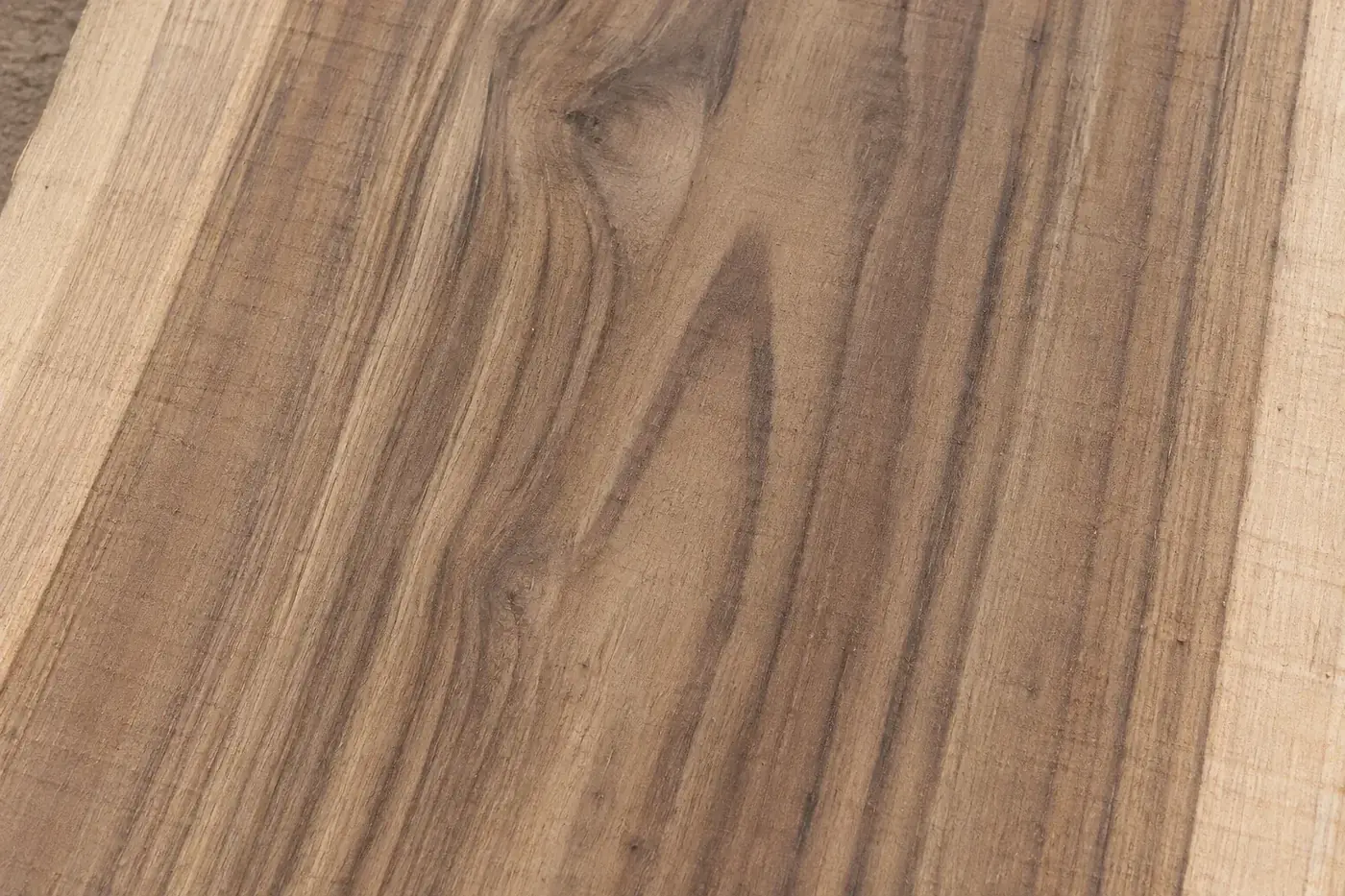
Plantation Teak Wood: Quality, Uses and What to Check Before Buying
Plantation teak is real teak grown on planted land. Here is how to check its heartwood, seasoning, sizes and price before you order a door, window or chaukhat.
Read the guide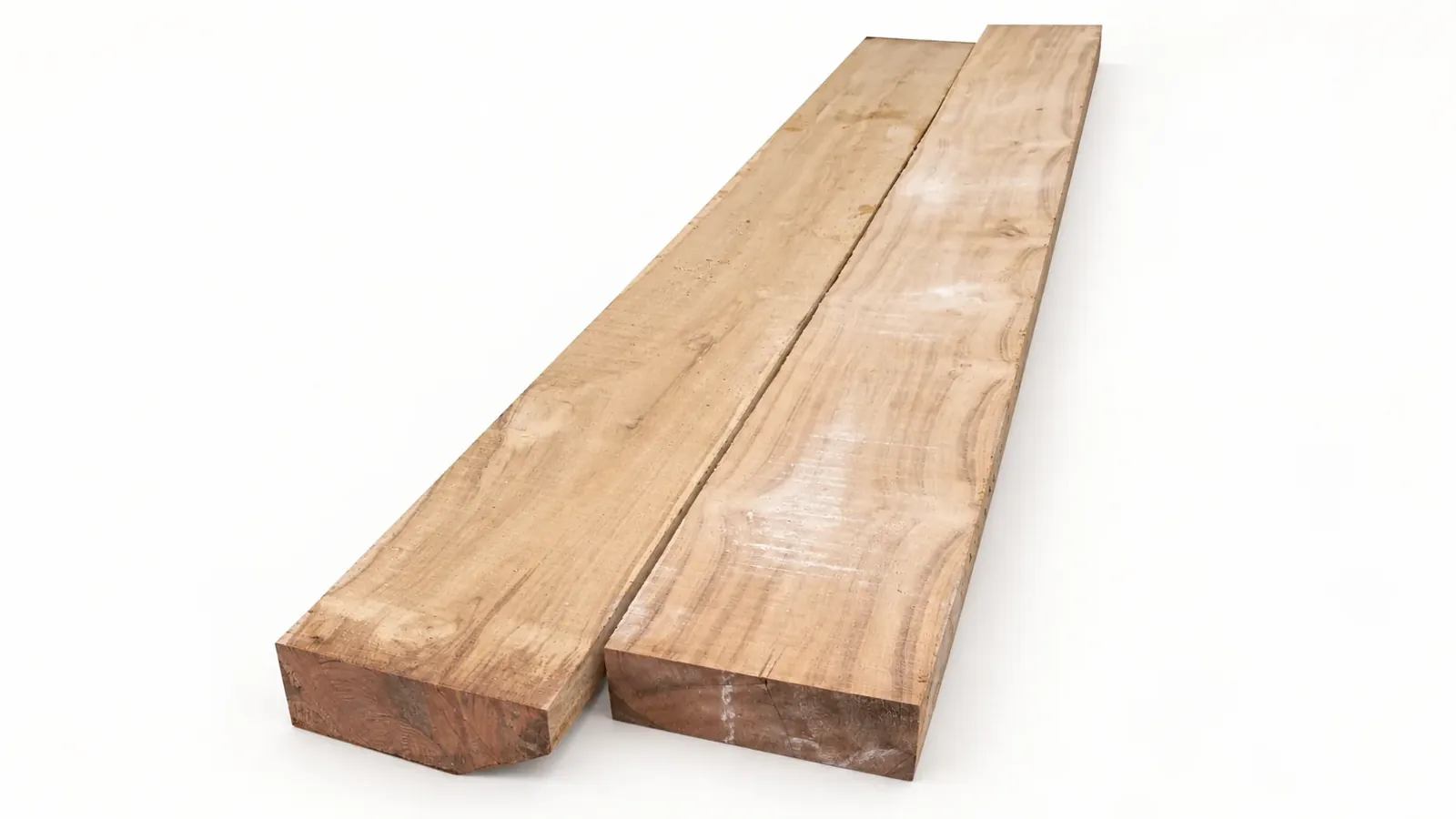
Forest and Nigam Teak Wood: A Buyer’s Guide for Doors and Frames
“Forest teak” and “Nigam teak” tell you about the source or the sale, not the quality. Here is what to ask about the lot, and how to check the wood before you order.
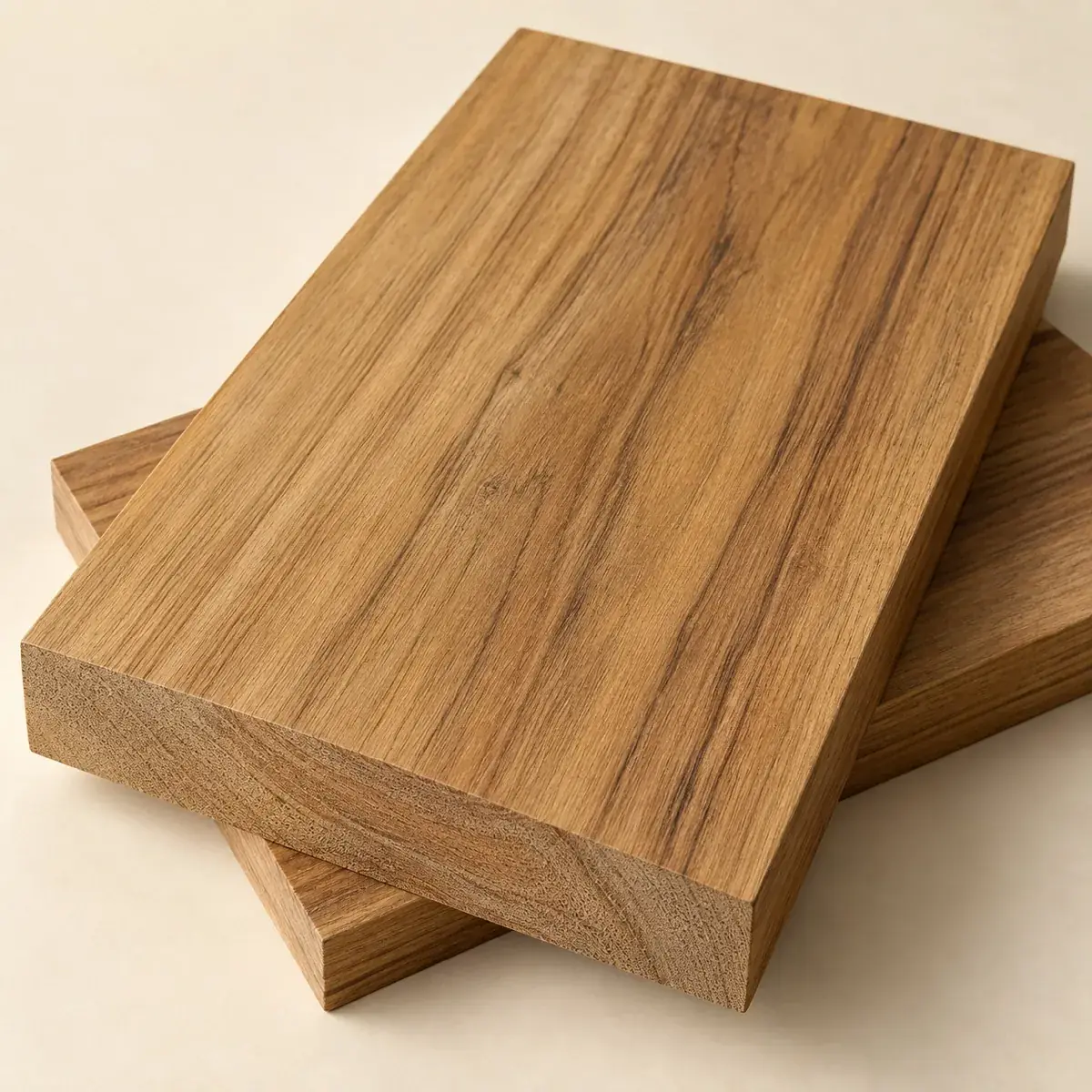
Imported and African Teak: What to Check Before You Buy
“African teak” can be real teak or a completely different wood. Here is how to check the species, heartwood, seasoning and defects, and how to compare quotes on the finished door.
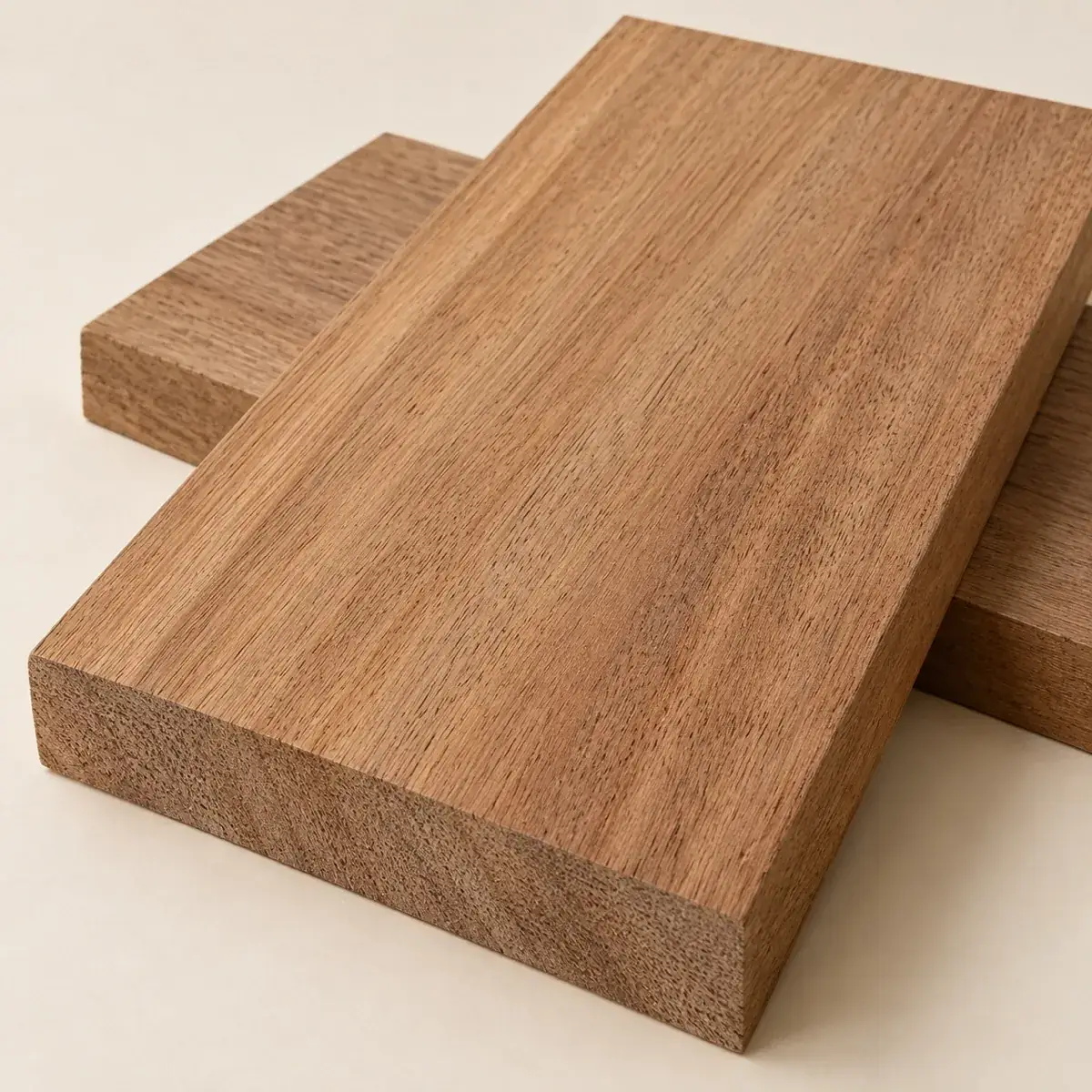
Malaysian Sal Wood for Doors and Chaukhat: What to Check
“Malaysian sal” is a market name, not one fixed wood. Here is what it usually means, how it differs from desi sal, and what to check before you compare rates.
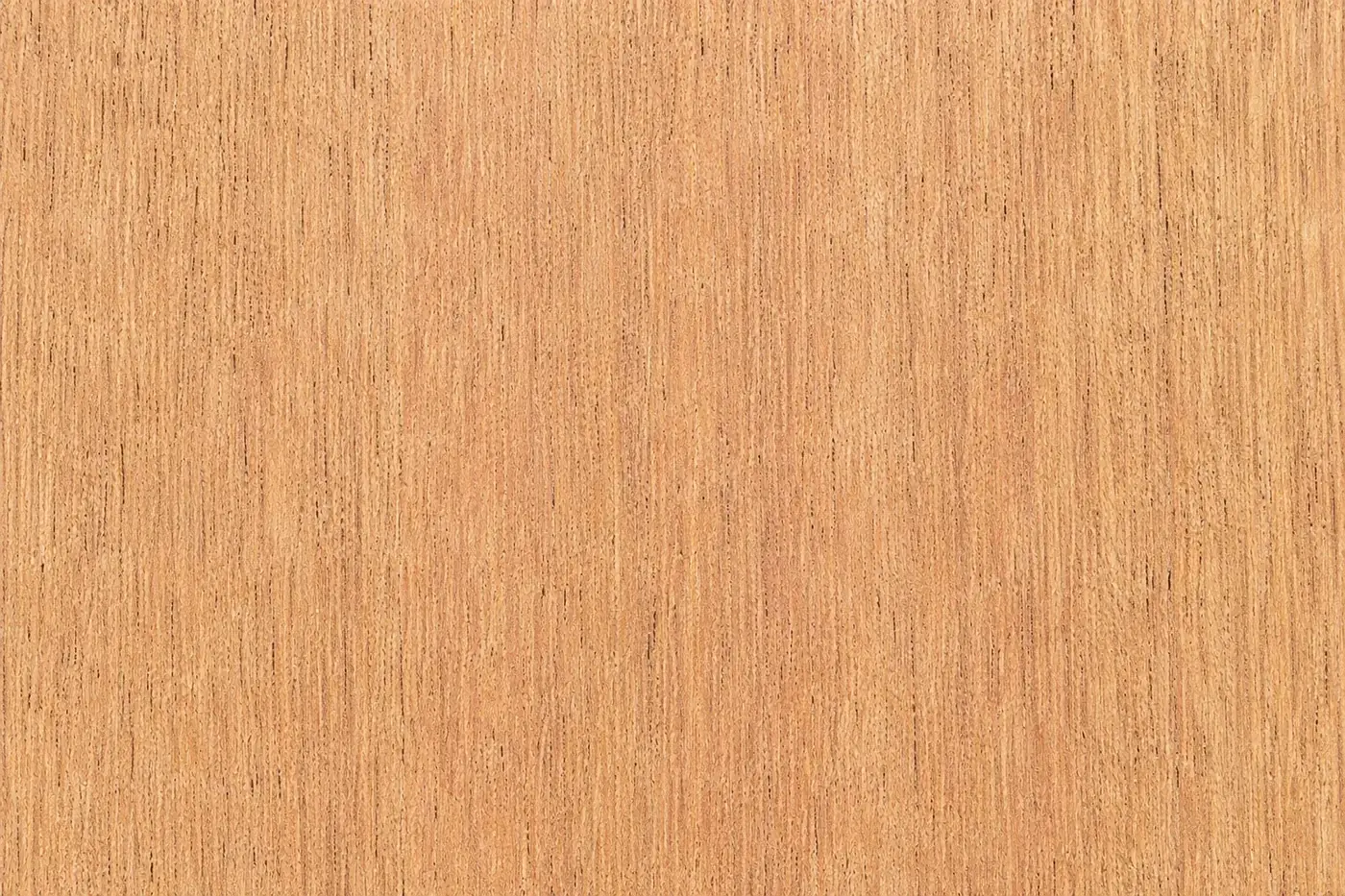
Kapur (Kapoor Sal) Wood for Chaukhat: Uses and Buying Guide
“Kapoor Sal” is a market name, so first confirm the wood is really kapur. Then check seasoning, finished size and termite protection before you order a chaukhat.
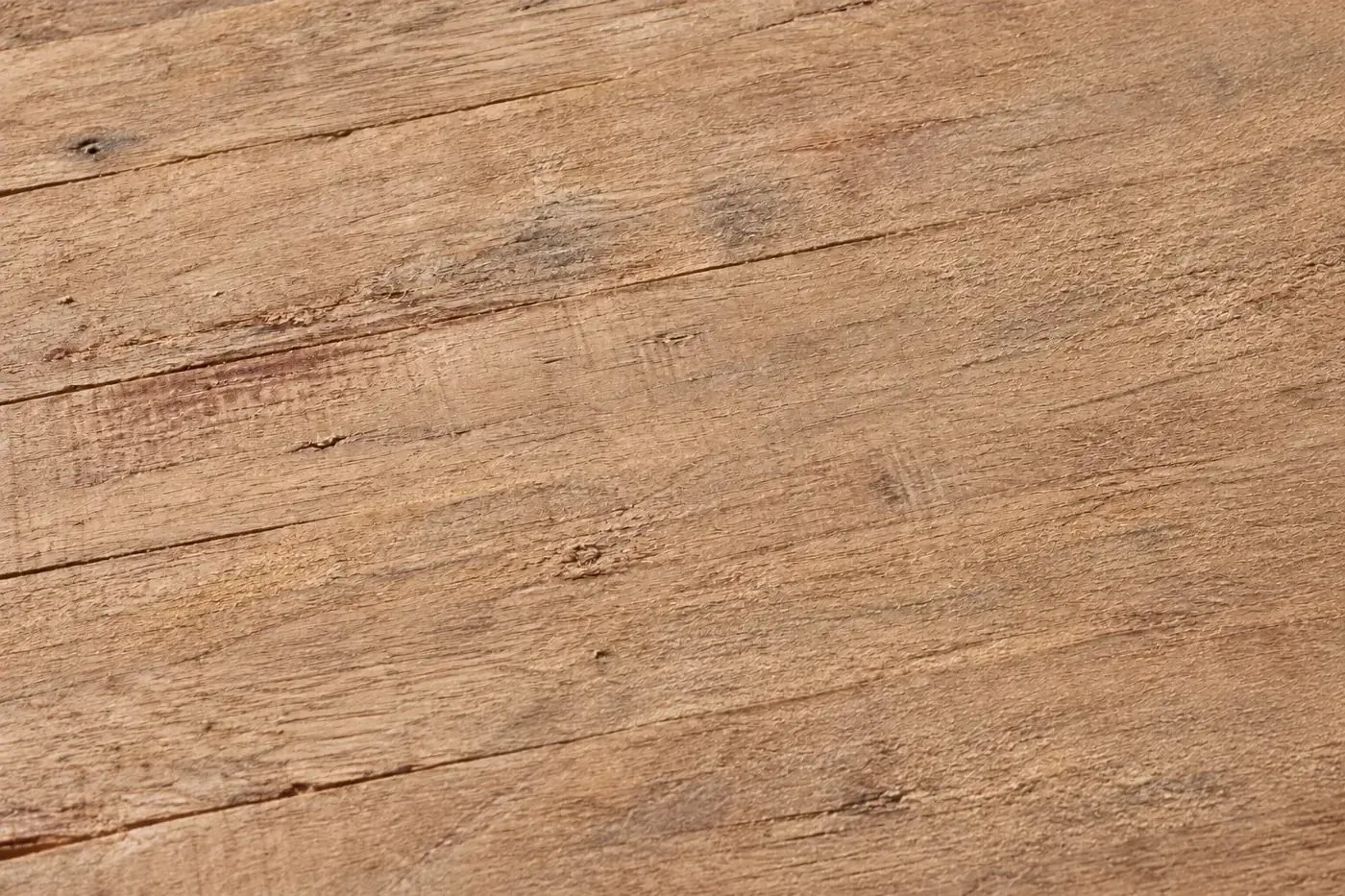
Desi Sal (Sakhu) Wood for Doors, Windows and Chaukhat
Sal is a hard, heavy wood and a common choice for chaukhats in north India. The name is only a start; the actual pieces and their seasoning matter just as much.
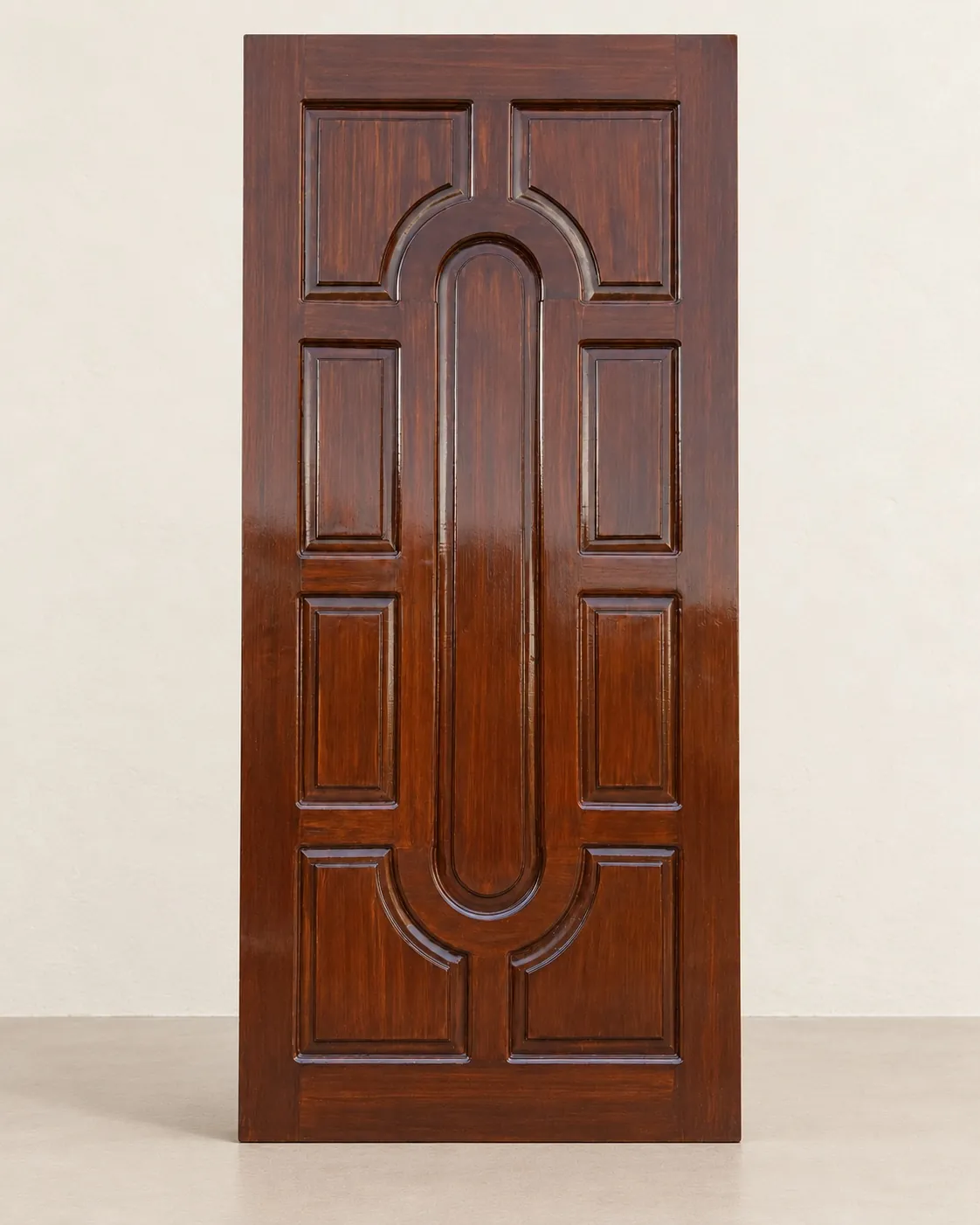
Choosing a door that suits your wall: height, width and design
Look at the whole wall before you pick a door design. Then match the height and width to the opening and get the final size checked by your mistri.
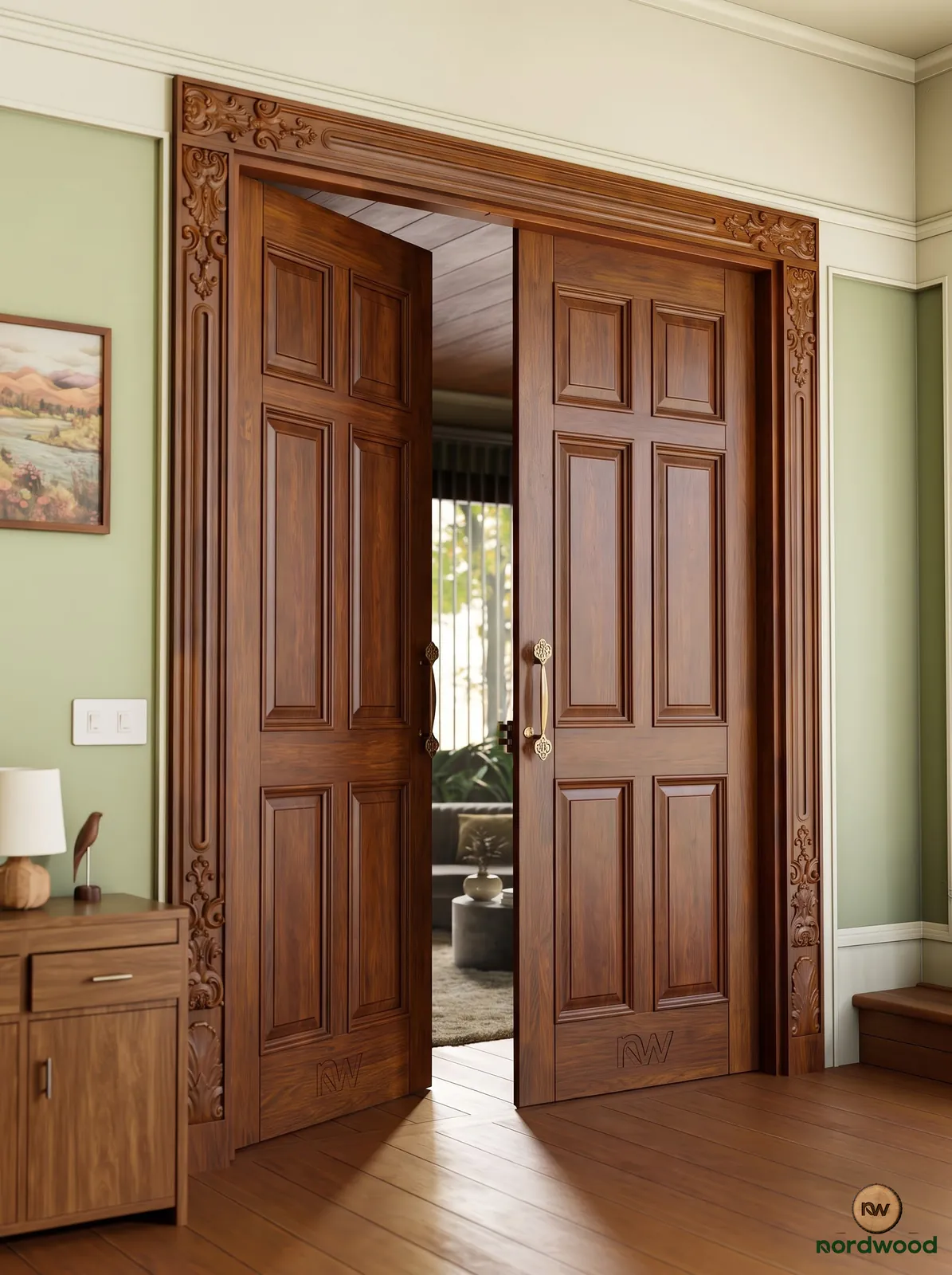
Single door or double door: how to decide
Neither is better by default. Decide by the width of the opening, the space behind the door and how you will use it every day.
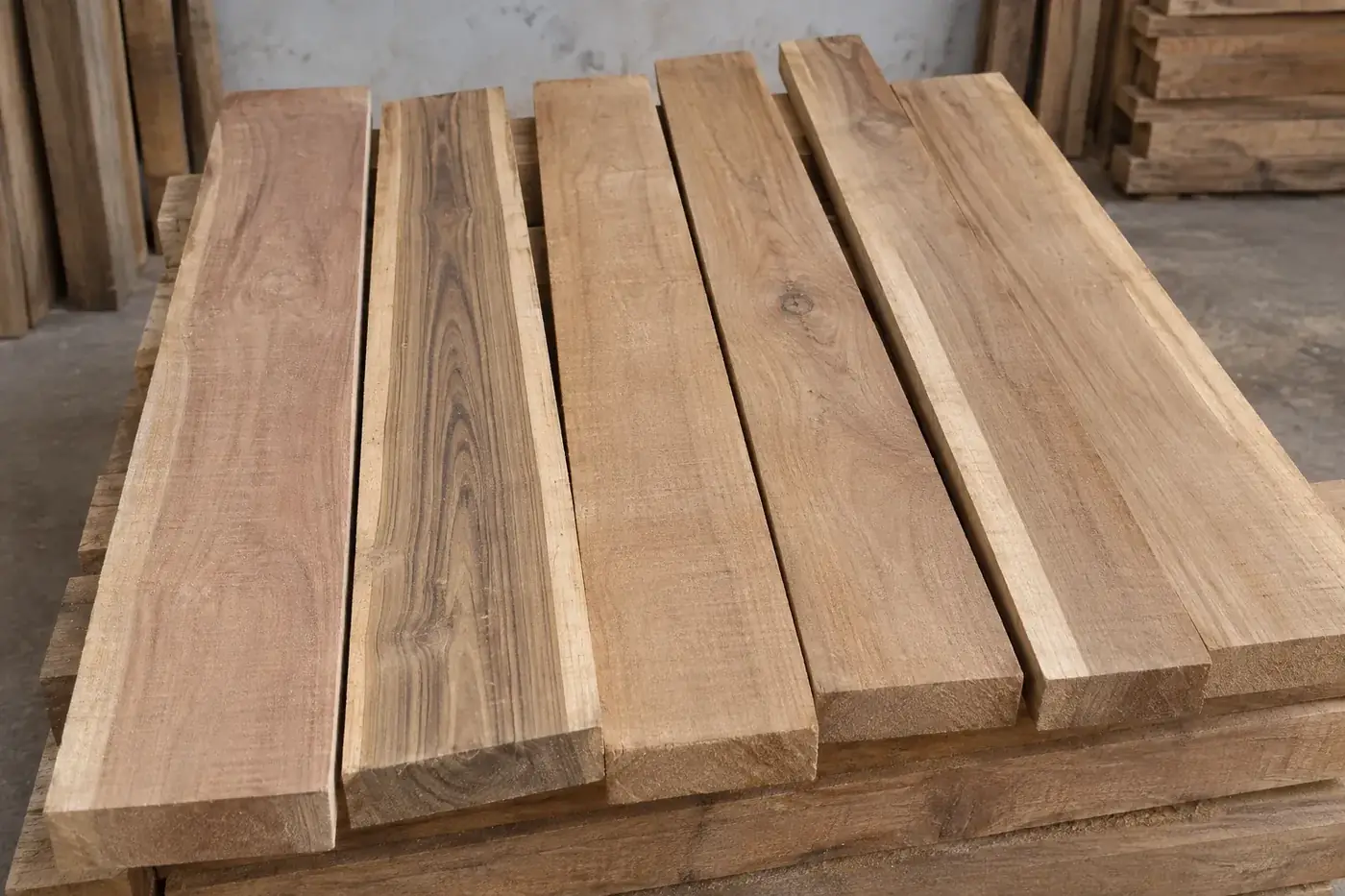
How to choose the right wood for doors, windows and chaukhat
Compare wood for doors, windows and chaukhats. What to check for seasoning, grain, frame sizes, finishing and fitting before you buy.
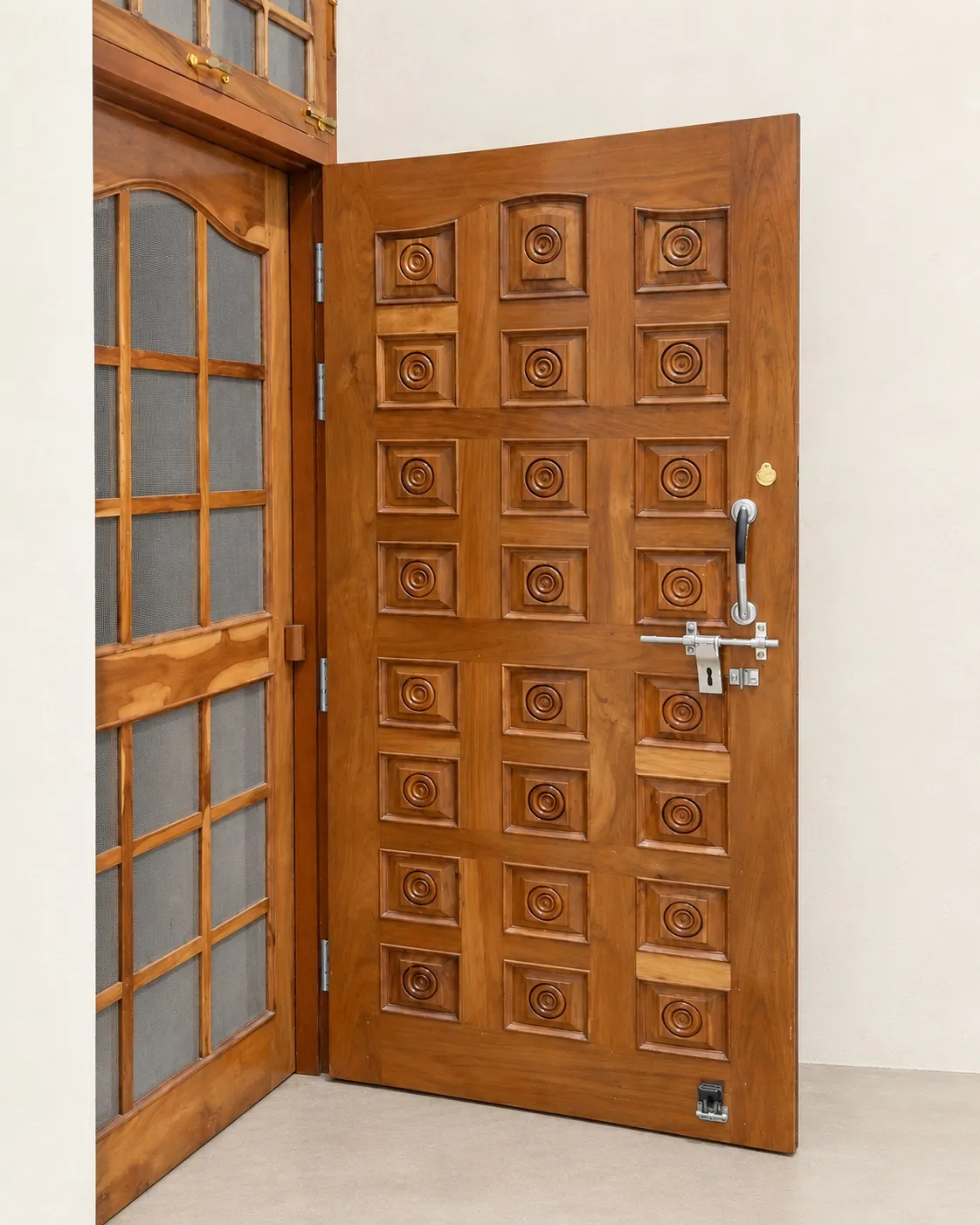
Chaukhat (door frame): plan it together with the door
The chaukhat holds the door and goes into the wall long before the door is hung. Decide its wood, rebate and finish along with the door, and say clearly what you are ordering.
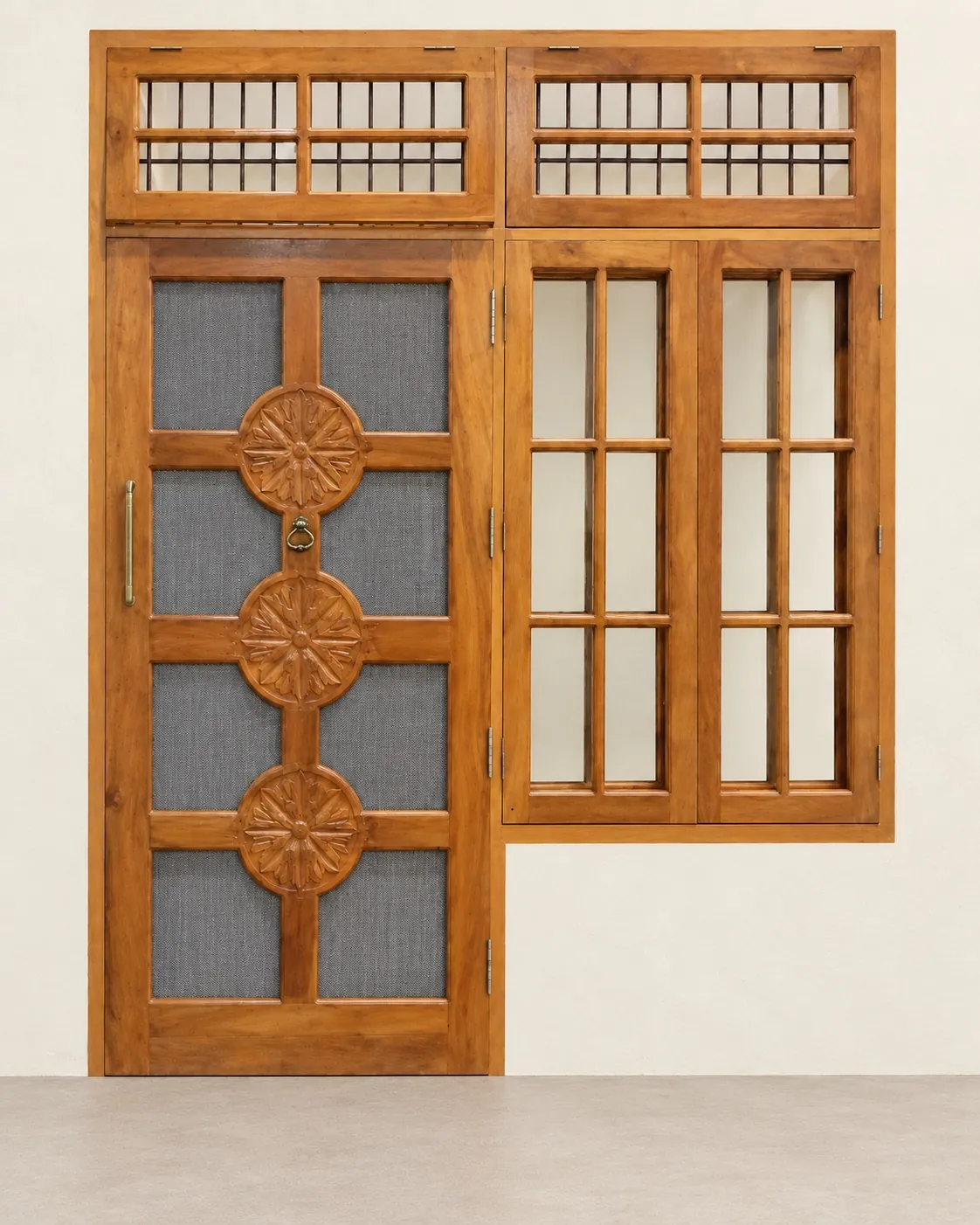
Planning wooden windows: light, air, size and matching the doors
A window decides how much light and air a room gets, and it sits in view next to your doors. Plan it with the room, and say clearly whether you need the window, the frame or both.
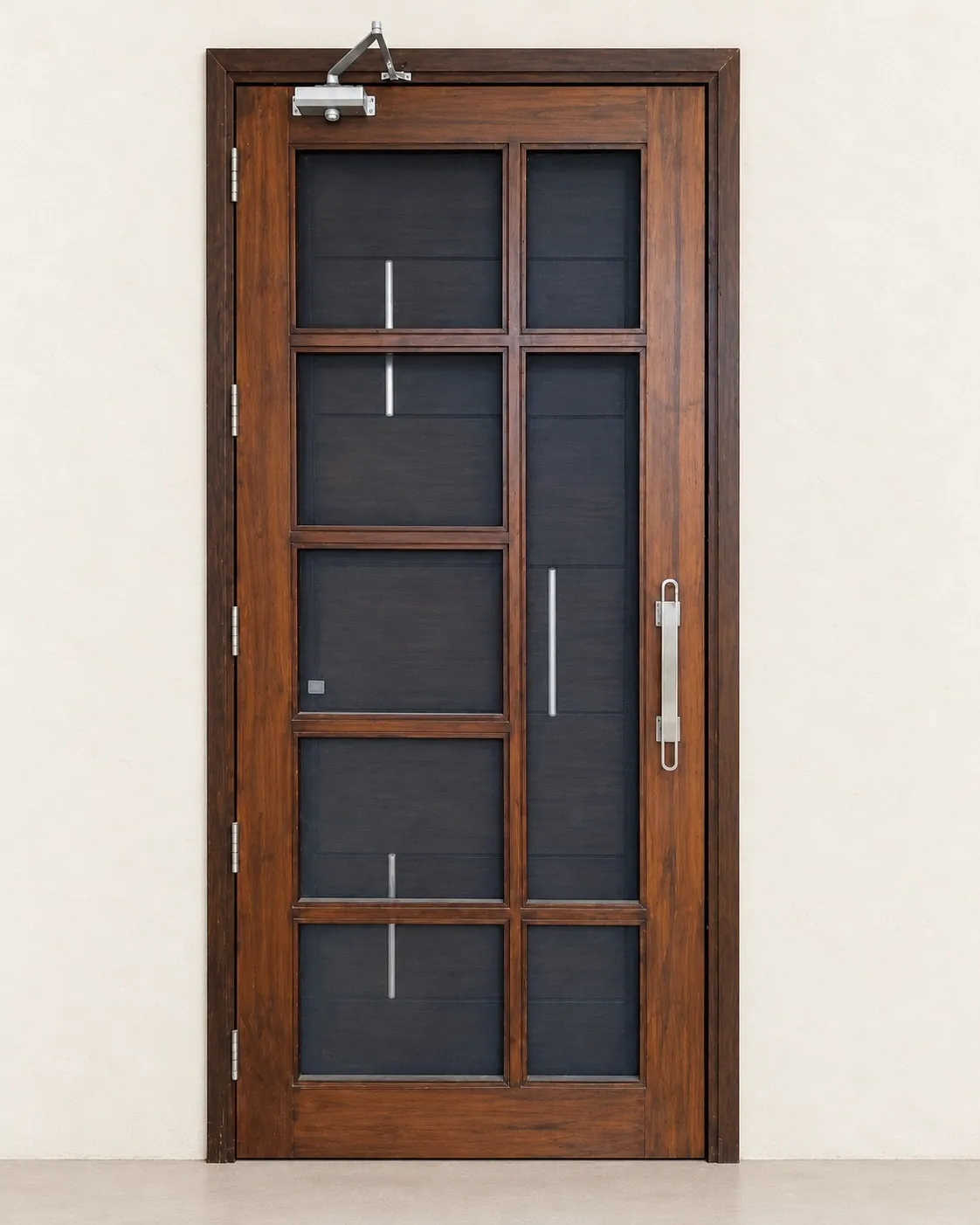
Door handles, locks and polish: choosing the finishing details
Hardware and polish are small parts of a door, but you touch and see them every day. Choose them together, check they suit the door, and confirm what comes with the order.
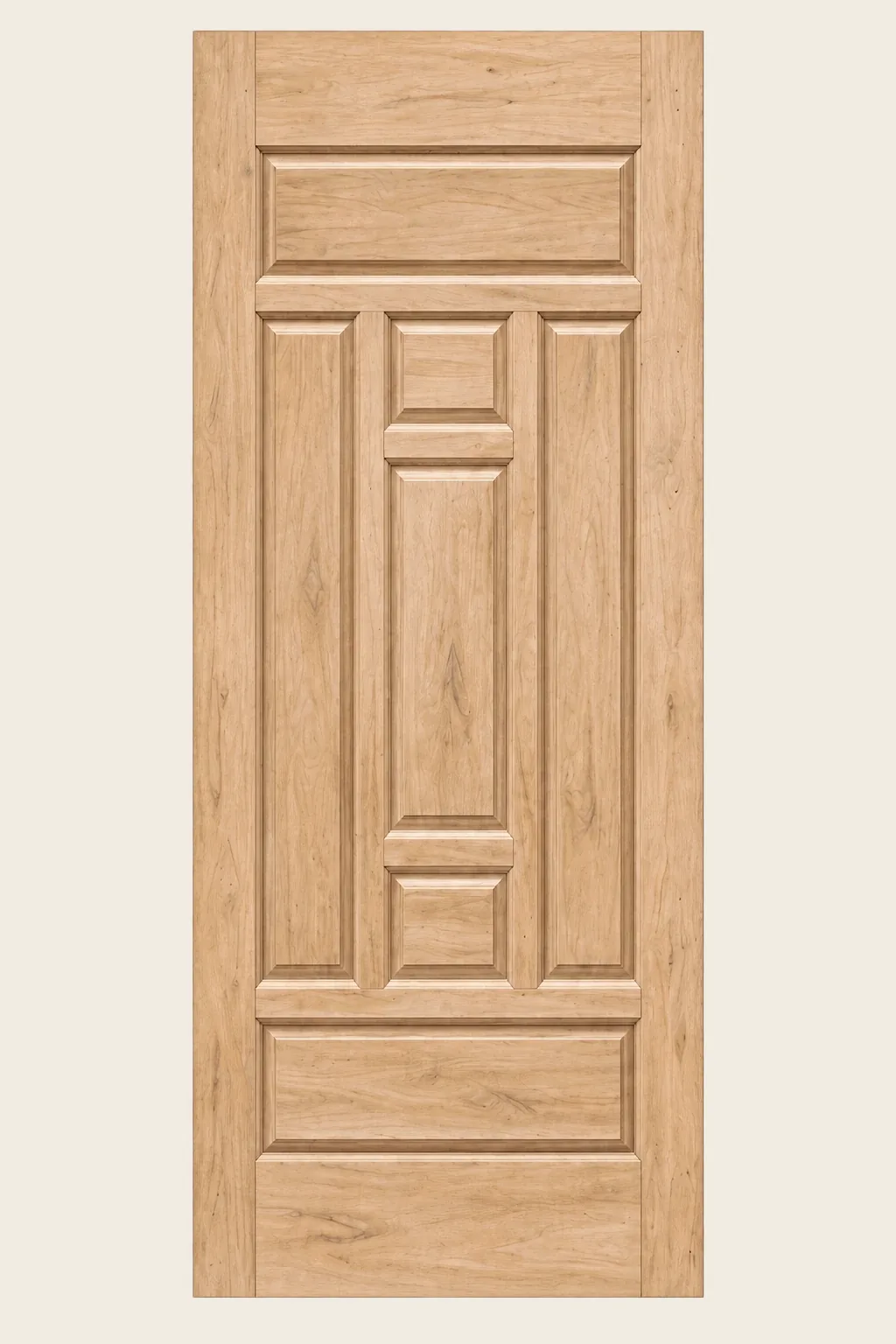
Standard door sizes: 7 ft and 8 ft heights, single and double widths
NordWood doors come in 7 ft and 8 ft heights, 2.5 to 4 ft single widths and 3 to 5 ft double widths. Here is how to read the sizes and choose the right one.
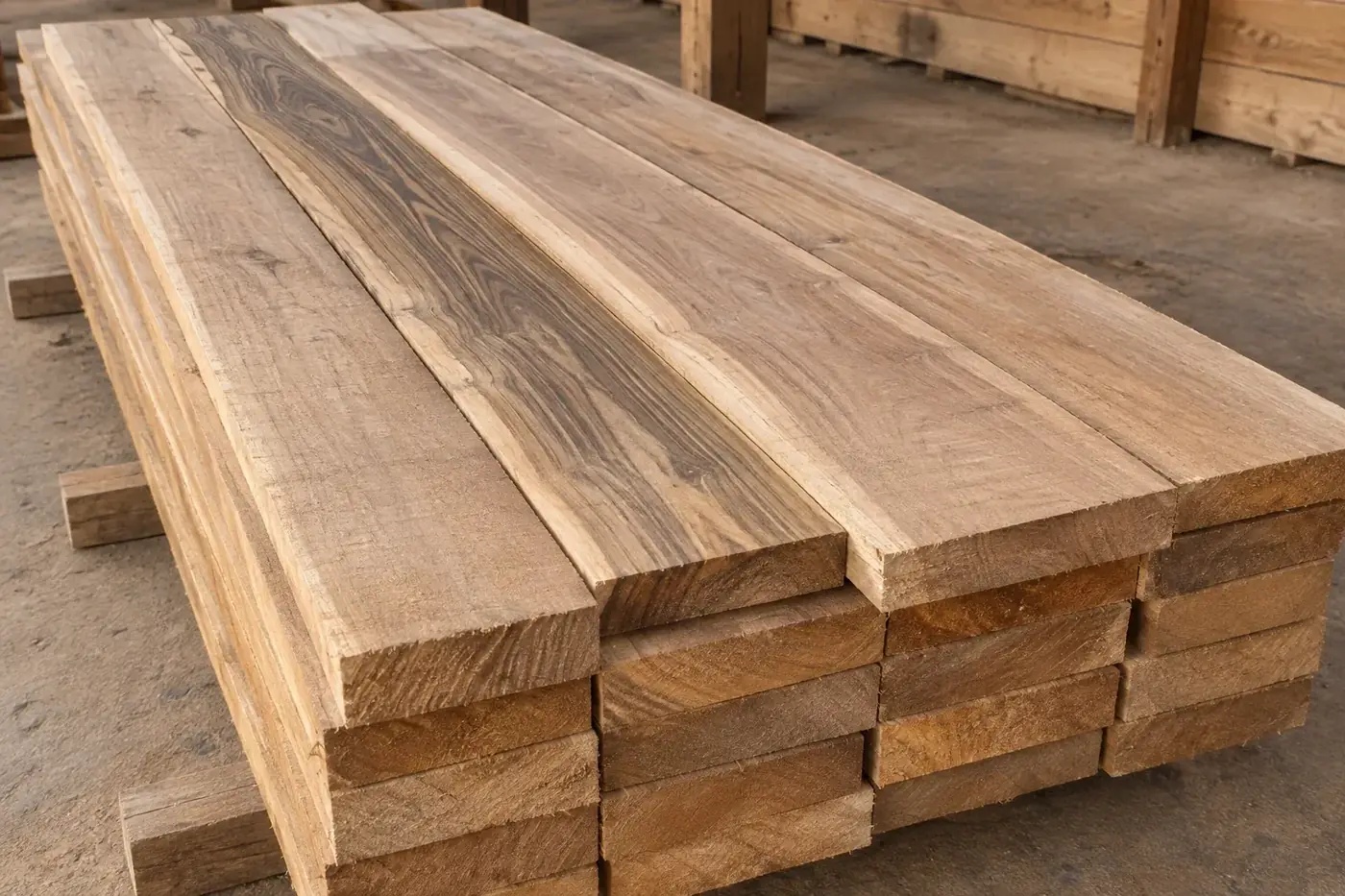
What CFT means and how wooden door prices are worked out
CFT is the amount of wood in a door. Together with the wood type and size, it decides the price. Here is how to read size, CFT and price together, and what to ask about other costs.
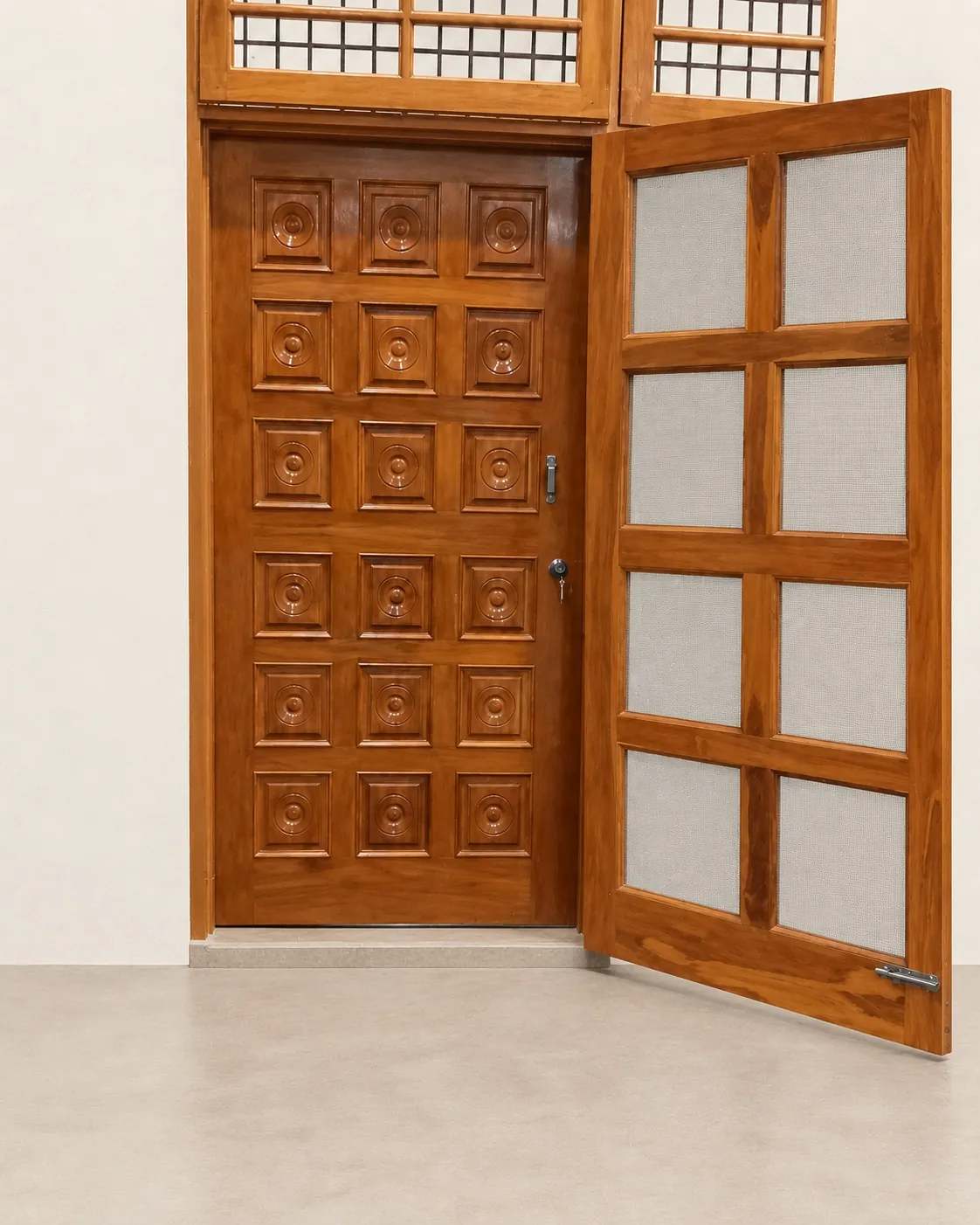
Matching doors, windows and chaukhats across the whole house
Your doors do not all need to be the same. Pick a few things to keep common, like the polish shade and panel style, and plan each opening on its own.
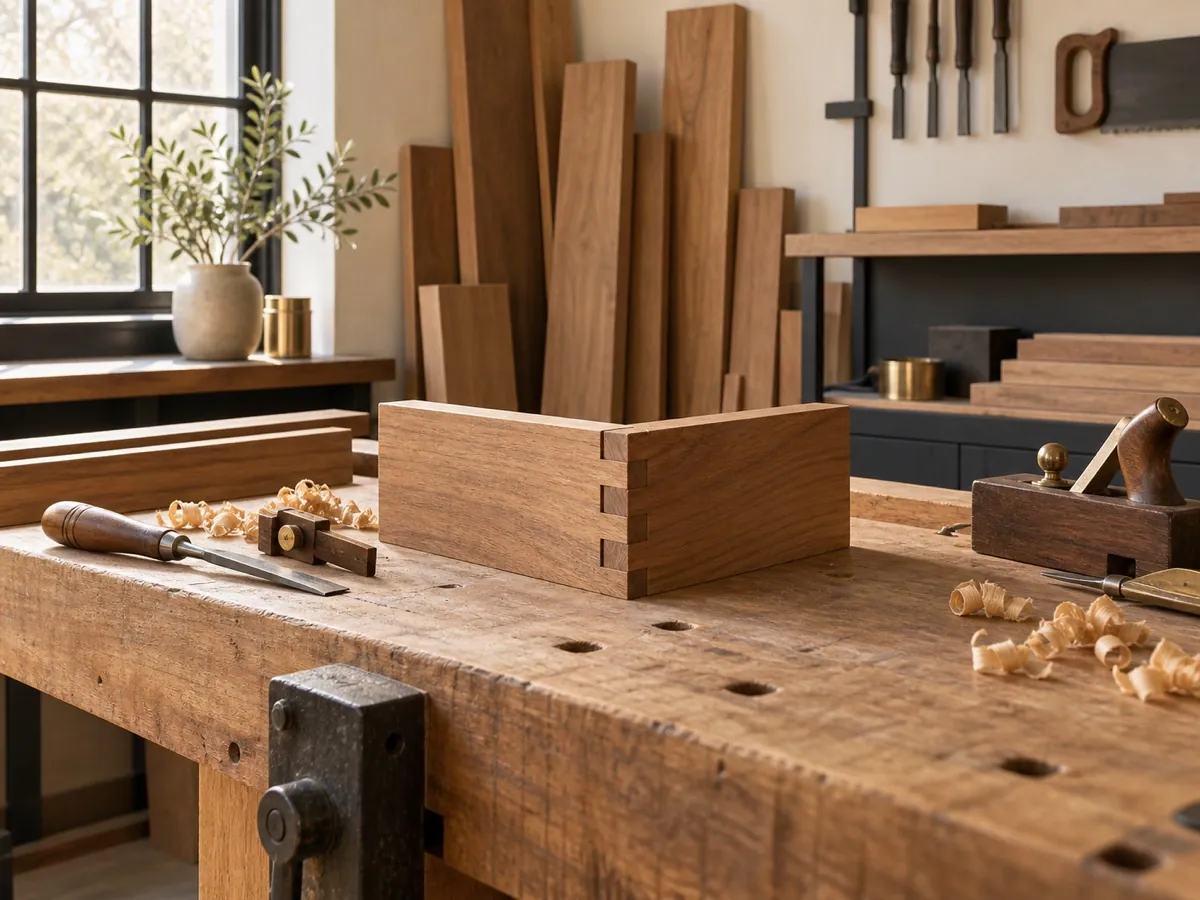
What to send in a woodwork enquiry to get a correct quote
A good enquiry is short. Send the item, size, quantity, single or double, wood, a design photo, site location and timeline, and we can give you a clear answer.
Photos are design and wood references. Final grain, colour and finish may vary.